Bathroom Water Damage Repair in Denver County, CO
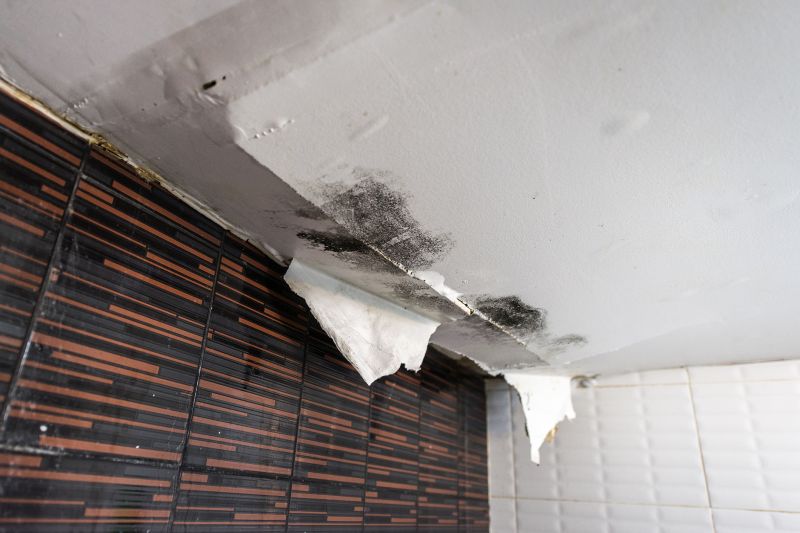
Bathroom water damage repair services address issues caused by leaks, flooding, or plumbing failures that affect bathroom structures and fixtures. These projects typically include fixing damaged drywall, flooring, and cabinetry, as well as addressing mold growth and moisture buildup. Homeowners often seek these services after discovering water stains, musty odors, or visible deterioration in their bathrooms, aiming to restore the space and prevent further damage.
Before requesting bathroom water damage repair, property owners usually want to understand the extent of the damage, the scope of necessary repairs, and the potential impact on surrounding areas. Clarifying whether the damage is confined to specific components or has affected underlying structures can help determine the appropriate approach. Additionally, understanding the steps involved in moisture mitigation and mold prevention can be important for ensuring a thorough and lasting repair process.
Many property owners in Denver County, CO look into Bathroom Water Damage Repair for repairs, replacements, upgrades, and appearance-related improvements.
Common Causes Of Bathroom Water Damage
Leaking pipes, faulty fixtures, and poor ventilation can lead to water issues in bathrooms.
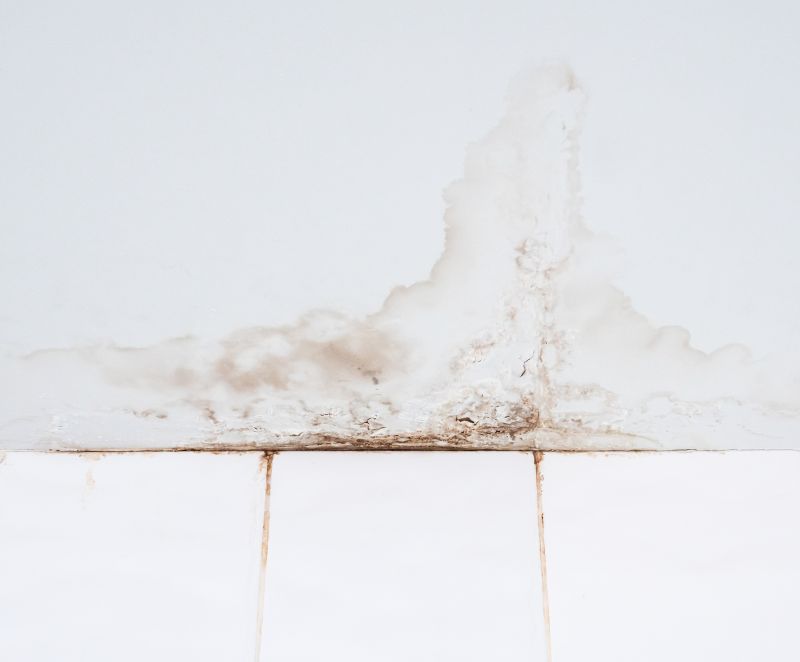
Signs Of Water Damage To Watch For
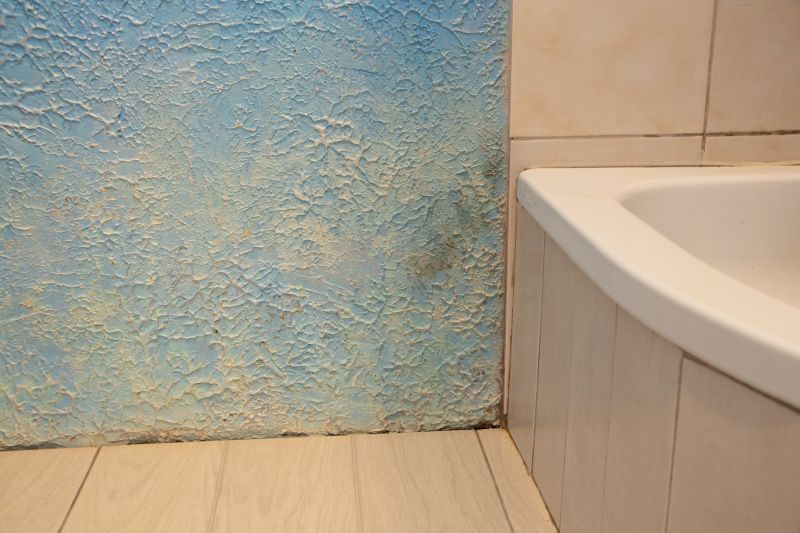
Look for discoloration, mold growth, warped surfaces, or musty odors in bathroom areas.
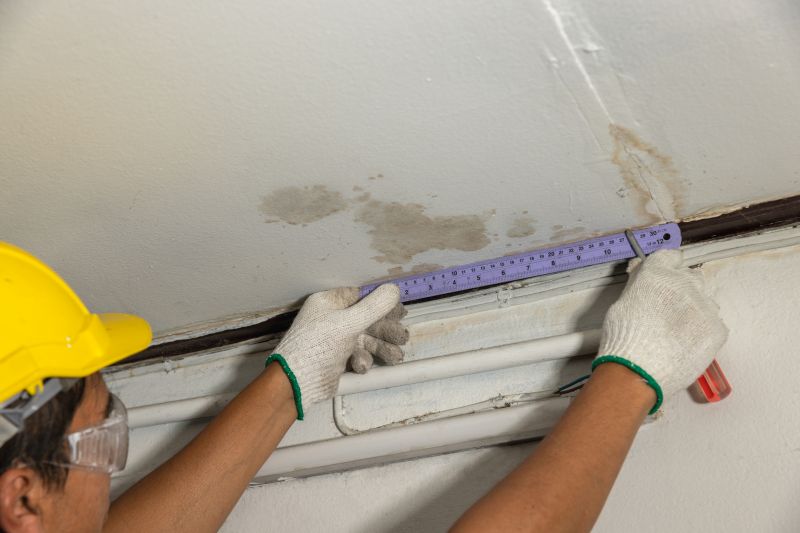
Restoration And Prevention Tips
Addressing leaks promptly and maintaining proper ventilation helps prevent future water damage in bathrooms.
Bathroom Water Damage Repair in Denver County, CO

Bathroom water damage repair services address issues caused by leaks, flooding, or plumbing failures that affect bathroom structures and fixtures. These projects typically include fixing damaged drywall, flooring, and cabinetry, as well as addressing mold growth and moisture buildup. Homeowners often seek these services after discovering water stains, musty odors, or visible deterioration in their bathrooms, aiming to restore the space and prevent further damage.
Before requesting bathroom water damage repair, property owners usually want to understand the extent of the damage, the scope of necessary repairs, and the potential impact on surrounding areas. Clarifying whether the damage is confined to specific components or has affected underlying structures can help determine the appropriate approach. Additionally, understanding the steps involved in moisture mitigation and mold prevention can be important for ensuring a thorough and lasting repair process.
Many property owners in Denver County, CO look into Bathroom Water Damage Repair for repairs, replacements, upgrades, and appearance-related improvements.
Common Bathroom Water Damage Repair Jobs
Bathroom Water Damage Repair - Restores areas affected by leaks, flooding, or plumbing failures.
Water Extraction - Removes standing water to prevent further damage and mold growth.
Mold Remediation - Addresses mold growth caused by excess moisture in bathroom spaces.
Structural Drying - Dries out walls, floors, and fixtures to prevent warping and deterioration.
Tile and Grout Restoration - Repairs and cleans damaged or stained tiles caused by water intrusion.
Leak Detection - Identifies hidden leaks behind walls or under floors to prevent future damage.
Bathroom Water Damage Repair Questions
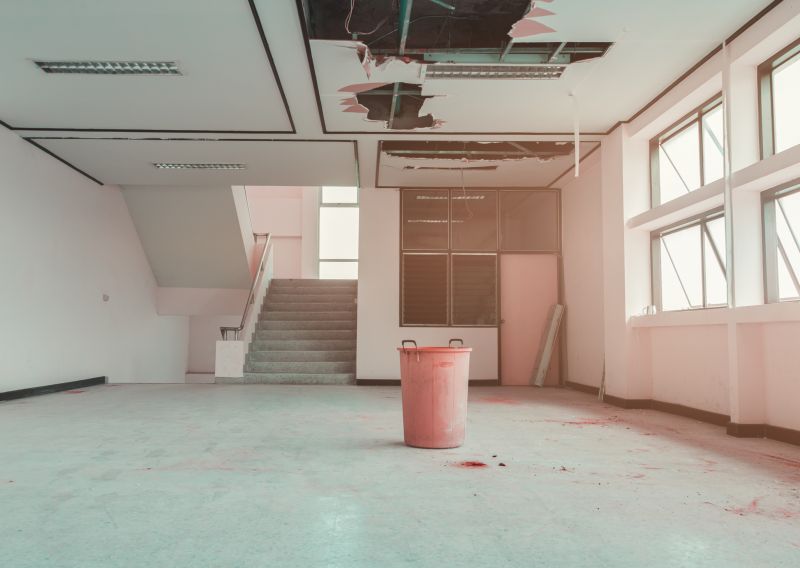
What causes bathroom water damage? Water damage in bathrooms often results from leaks, broken pipes, or overflows that go unnoticed over time.
How can water damage affect a bathroom? It can lead to mold growth, structural deterioration, and damage to fixtures and finishes.
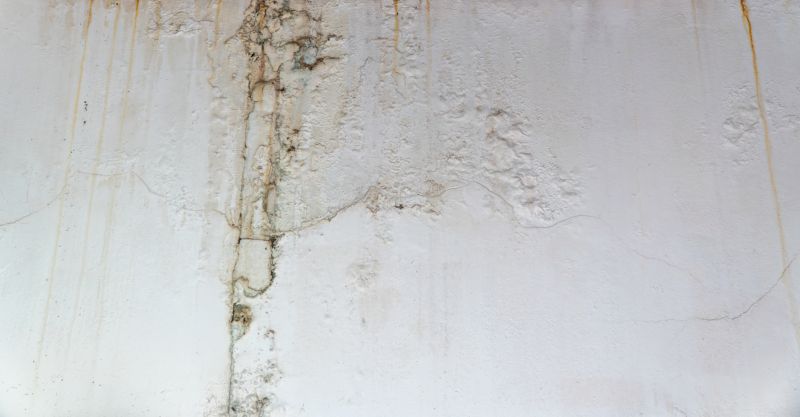
What signs indicate water damage in a bathroom? Look for water stains, musty odors, warped surfaces, or peeling paint on walls and ceilings.
What types of repairs are involved in water damage restoration? Repairs typically include water extraction, drying, mold removal, and replacing damaged materials.
Request Bathroom Water Damage Repair in Denver County, CO
Use the quote form on this page to share the basics of your project and request more information for the type of work you need.